
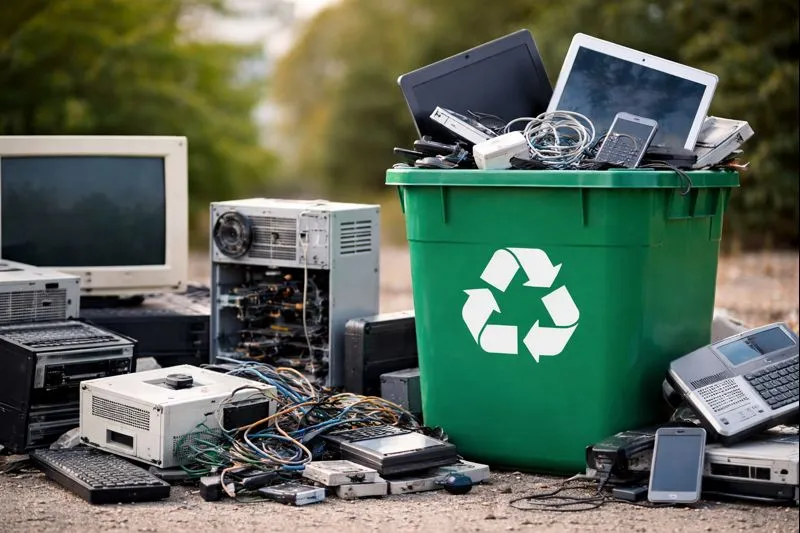
Trade waste disposal has become an essential part of modern environmental management systems, helping industries handle commercial and industrial waste in a structured, responsible, and efficient way. As businesses expand, the volume of generated waste increases, making organized disposal methods critical for sustainability, compliance, and cost control. This system is designed to ensure that waste is not simply discarded, but properly processed, recycled, or repurposed wherever possible.
What is trade waste disposal and how does it function?
Trade waste disposal refers to the management and treatment of waste produced by commercial establishments, manufacturing units, and service-based industries. Unlike household waste, trade waste often contains a mixture of recyclable, non-recyclable, and sometimes regulated materials that require specialized handling.
The process typically begins with waste segregation at the source, followed by collection, transportation, and treatment through approved recycling or disposal channels. Each stage is designed to reduce environmental impact while maximizing resource recovery.
Why is trade waste disposal important for industries?
Trade waste disposal is crucial because it helps industries maintain environmental compliance while managing operational efficiency. Businesses generate continuous waste streams, and without a structured system, this can lead to pollution, inefficiency, and regulatory challenges.
A well-managed disposal system ensures that waste is handled safely and responsibly. It also supports companies in maintaining cleaner production processes, which improves both operational reputation and long-term sustainability performance.
How does a structured disposal system improve efficiency?
A structured trade waste disposal system improves efficiency by organizing waste into clearly defined categories. This allows recyclable materials such as metals, plastics, and paper to be redirected into recycling chains instead of being discarded.
Efficient systems reduce landfill dependency and improve material recovery rates. They also streamline logistics, ensuring that waste is collected and processed at the right facilities without unnecessary delays or duplication of effort. This structured flow reduces operational waste handling costs and improves resource utilization.
What types of materials are included in trade waste?
Trade waste includes a wide range of materials depending on the industry. Common categories include packaging waste, scrap metals, plastics, organic waste, chemicals, and industrial by-products. Each category requires different handling methods based on its environmental impact and recyclability.
Proper classification of these materials ensures that hazardous components are treated safely while recyclable materials are recovered efficiently. This separation plays a key role in reducing environmental risks and improving recycling outcomes.
What are the business benefits of trade waste disposal systems?
One of the main benefits for businesses is cost optimization. By separating recyclable waste from general waste, companies can reduce disposal fees and even generate value from reusable materials.
It also enhances operational compliance, helping businesses meet environmental regulations and avoid penalties. Additionally, efficient waste management improves corporate responsibility profiles, which is increasingly important for stakeholders and customers who value sustainability.
How does trade waste disposal support environmental sustainability?
Trade waste disposal plays a major role in reducing environmental degradation. By diverting waste away from landfills and promoting recycling, it reduces pollution and conserves natural resources.
It also supports the circular economy model, where materials are reused multiple times instead of being discarded after a single use. This significantly lowers the demand for raw material extraction, reducing ecological strain and energy consumption across industries.
What trends are shaping the future of trade waste disposal?
The future of trade waste disposal is moving toward automation, digital tracking, and data-driven decision-making. Smart systems are increasingly being used to monitor waste streams and improve sorting accuracy.
There is also a growing focus on sustainability metrics, where companies track their environmental performance more closely. These advancements are making waste management more transparent, efficient, and aligned with global environmental goals.
Conclusion
Trade waste disposal is no longer just a regulatory requirement but a strategic component of modern industrial operations. It enables businesses to manage waste responsibly while improving efficiency, reducing costs, and supporting environmental sustainability. As industries continue to evolve, structured waste disposal systems will remain a key driver in building cleaner, more efficient, and resource-conscious economies.