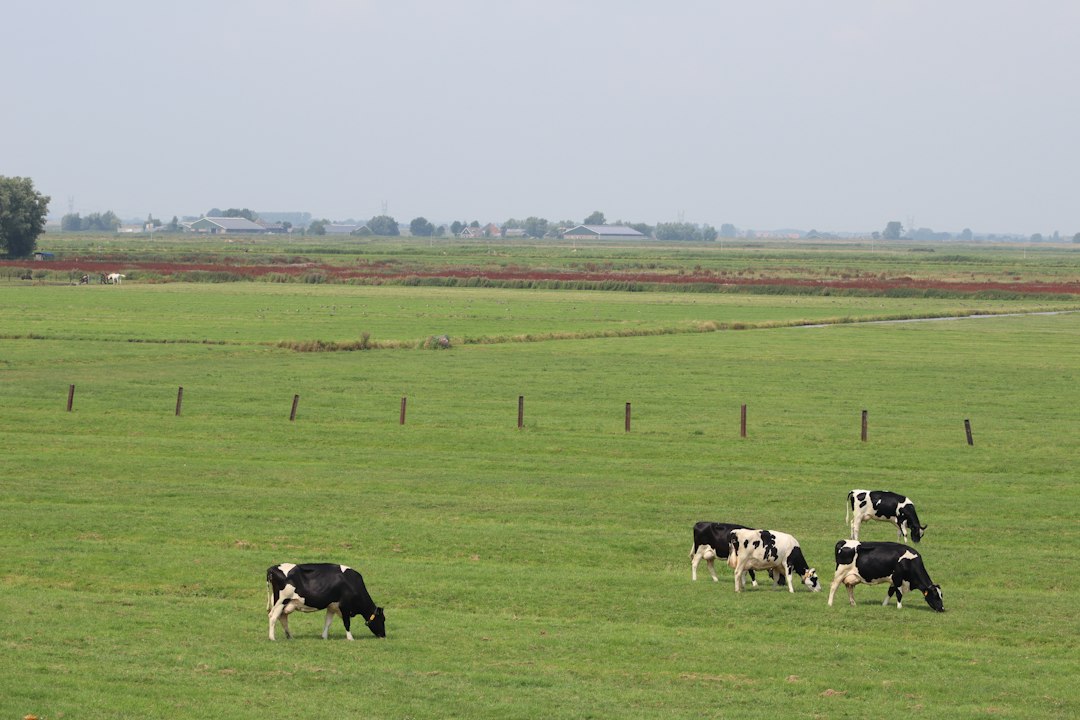
Proper cattle care is essential for maintaining healthy livestock, supporting productive farms, and preserving traditional agricultural knowledge. In southern rural communities, bulls and other cattle have long been valued for their strength, adaptability, and contribution to farming activities. Understanding Southern Fighting Cattle (วัวชนแดนใต้) also involves learning about responsible animal management, including nutrition, housing, veterinary attention, and safe handling. Good management practices help cattle remain healthy while protecting the people who care for them.
How Does Proper Nutrition Support Cattle Health?
A balanced diet is one of the most important parts of livestock management. Cattle require sufficient grass, hay, and other suitable feed to maintain healthy body development. Their nutritional needs depend on age, weight, breed, activity, and general health.
Clean drinking water must always be available. Farmers should also monitor feeding routines and avoid sudden dietary changes that may cause digestive problems. Mineral supplements may be appropriate when recommended by a qualified animal health professional.
What Housing Conditions Are Suitable for Cattle?
Comfortable housing protects cattle from extreme weather, excessive heat, rain, and other environmental challenges. Shelters should provide adequate ventilation, sufficient space, and protection from harsh conditions.
Clean and dry resting areas help reduce the risk of infections and foot problems. Farmers should regularly remove waste, maintain safe fencing, and inspect gates and enclosures. Proper facilities also make everyday feeding, observation, and veterinary care easier.
Why Is Regular Veterinary Attention Important?
Routine veterinary care helps identify health concerns before they become serious. Farmers should arrange appropriate vaccinations, parasite control, and health examinations according to professional recommendations.
Observing cattle daily is equally important. Changes in appetite, movement, behavior, or appearance may indicate illness or injury. Early attention can improve recovery and prevent health problems from spreading through a herd.
Maintaining health records also helps farmers monitor vaccinations, treatments, breeding history, and general development.
How Can Farmers Handle Bulls Safely?
Bulls require experienced handling because their size, strength, and individual temperaments can create safety risks. Farmers should use secure handling facilities, avoid unnecessary confrontation, and maintain appropriate distance when an animal displays signs of agitation.
Calm movement, consistent routines, and suitable equipment can make livestock handling safer. Animals should never be deliberately encouraged to fight or behave aggressively. Such activities can cause serious injuries and unnecessary suffering.
How Does Responsible Management Improve Cattle Welfare?
Responsible management combines nutrition, hygiene, healthcare, comfortable housing, and careful observation. Farmers should consider each animal’s individual needs rather than applying identical routines to every member of a herd.
Adequate exercise, social contact, and protection from stressful conditions contribute to overall well-being. Staff and family members involved in livestock care should also understand safe handling procedures.
What Practices Support Better Cattle Management?
Successful cattle management depends on patience, knowledge, and regular attention. Farmers can improve their routines through veterinary guidance, accurate recordkeeping, and practical agricultural education. Prioritizing animal welfare helps preserve livestock traditions while supporting healthier herds and safer farming communities.
Quick Summary
- Proper cattle care is essential for maintaining healthy livestock and preserving traditional agricultural knowledge.
- Cattle require a balanced diet, clean drinking water, and mineral supplements as recommended by animal health professionals for optimal health.
- Comfortable housing with adequate ventilation, space, and cleanliness helps protect cattle from extreme weather and reduces infection risks.
- Routine veterinary care, including vaccinations and health examinations, is crucial for identifying health concerns early and monitoring overall cattle health.
- Farmers should handle bulls with experienced techniques to ensure safety and avoid encouraging aggressive behavior that may lead to injuries.
- Successful cattle management relies on individualized care, adequate exercise, and safe handling procedures to enhance overall animal welfare.