

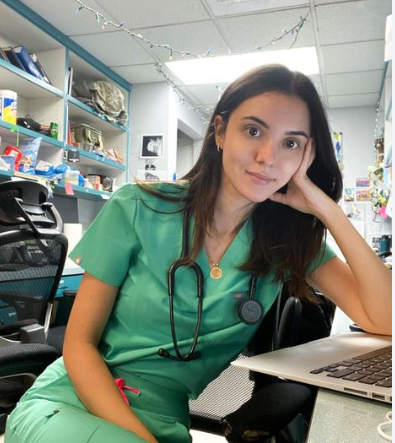
The healthcare sector is currently experiencing one of the most dynamic labor markets in recent history. Healthcare and nursing job (Gesundheits und Krankenpfleger Job) are actively seeking qualified professionals to fill a wide array of roles, driven by an aging population, expanded access to medical care, and the lingering effects of global health challenges.
For administrators and job seekers alike, understanding the specific trends within hospital hiring is crucial. The current landscape is defined by high vacancy rates in specialized nursing roles and a growing need for allied health professionals. This analysis breaks down the key data points and frequently asked questions regarding the surge in healthcare job openings.
What is driving the high volume of nursing job openings?
The demand for Registered Nurses (RNs) and Licensed Practical Nurses (LPNs) continues to outpace the supply. several statistical trends contribute to this widening gap:
- An Aging Workforce: A significant portion of the current nursing workforce is approaching retirement age. As these experienced professionals leave the bedside, hospitals face the dual challenge of replacing them while simultaneously expanding their teams to meet patient needs.
- Increased Patient Acuity: Modern hospital patients often require more complex care than in previous decades. This necessitates lower nurse-to-patient ratios, meaning hospitals must hire more staff to care for the same number of patients safely.
- Burnout and Turnover: The intensity of recent years has led to higher turnover rates. Vacancies are not just created by growth, but by the need to replace staff moving to outpatient settings or leaving the profession entirely.
Which hospital departments have the highest vacancy rates?
While the need for general medical-surgical nurses remains constant, specific departments are seeing acute shortages. Data suggests that critical care and emergency departments often struggle the most with staffing.
- Intensive Care Units (ICU): The specialized training required for ICU nurses limits the pool of available candidates, making these positions some of the hardest to fill.
- Emergency Rooms (ER): High-stress environments often see higher turnover, creating a continuous cycle of recruitment needs.
- Surgical Services: As elective surgeries rebound to pre-pandemic levels, the demand for perioperative and operating room nurses has spiked significantly.
Beyond nursing: What other healthcare roles are hospitals recruiting for?
While nursing often dominates the headlines, the hospital ecosystem requires a diverse range of professionals. Vacancy rates are notably high in allied health professions, which are essential for diagnostic and therapeutic services.
- Respiratory Therapists: The importance of respiratory care has been highlighted recently, leading to increased budget allocations for these specialists.
- Radiologic Technologists: As diagnostic imaging becomes central to treatment plans, the need for technicians to operate MRI, CT, and X-ray machinery is growing.
- Surgical Technologists: These roles are vital for the efficiency of operating rooms, and shortages here can create bottlenecks in surgical schedules.
How does location impact job availability?
Geographic location plays a substantial role in the volume and type of job openings available.
- Rural vs. Urban: Rural hospitals often face the steepest challenges in recruitment. Statistics indicate that rural facilities frequently rely on travel nurses and temporary staffing solutions to bridge gaps, offering substantial incentives for permanent staff willing to relocate.
- Regional Hubs: Major medical centers in metropolitan areas tend to have a higher volume of specialized openings (such as pediatric oncology or neurosurgery) compared to community hospitals.
What qualifications are currently most valued by hospitals?
In this competitive market, hospitals are looking for candidates who can hit the ground running. Consequently, there is a statistical preference for higher education and certifications.
- BSN Preference: Many hospitals, particularly those with or seeking Magnet status, strongly prefer candidates with a Bachelor of Science in Nursing (BSN) over those with an associate degree.
- Specialized Certifications: Credentials such as CCRN (Critical Care Registered Nurse) or CEN (Certified Emergency Nurse) are increasingly viewed as differentiators that signal a candidate’s readiness for high-acuity environments.
The Future of Healthcare Staffing
The data points toward a sustained period of high demand for healthcare professionals. For hospitals, the focus remains on retention strategies and efficient recruitment pipelines. For job seekers, the current market offers unprecedented opportunities for career advancement, specialization, and competitive compensation. As the industry evolves, those who align their skills with these high-need areas will find themselves well-positioned for long-term stability and success.


